Joseph Haydn died on 31 May 1809 in his house in Gumpendorf, today the Haydnhaus in Haydngasse. Vienna was occupied by Napoleon’s troops at the time, so his funeral on 1 June at the Hundsturm cemetery was a simple affair. Where the graves once lay is now the Haydnpark in Meidling. A few days later, the most celebrated composer of his day was no longer complete.
A head for science
On 4 June Johann Nepomuk Peter and Joseph Carl Rosenbaum, helped by the gravedigger, opened the grave and took the head. Both were followers of Franz Joseph Gall, who believed that talents could be read from the shape of the skull. Gall’s lectures had been banned in Vienna back in 1801, but his ideas still fascinated many. Rosenbaum noted drily in his diary: “Es roch heftig”, it smelled strongly.
The odyssey of a skull
The theft was only discovered in 1820, when Prince Esterházy had the body moved to Eisenstadt. All that was left in the coffin was the wig. Rosenbaum then handed over a substitute skull and kept the real one. Passing through several hands, among them the famous pathologist Carl von Rokitansky, the skull reached the Gesellschaft der Musikfreunde in 1895, the society based at the Musikverein. Only on 5 June 1954 was it solemnly reunited with the body in the Bergkirche in Eisenstadt: Cardinal Innitzer blessed it, the motorcade passed through Rohrau, Haydn’s birthplace, and the burial was accompanied by the Emperor’s Hymn, whose melody Haydn had composed.
Music in Vienna
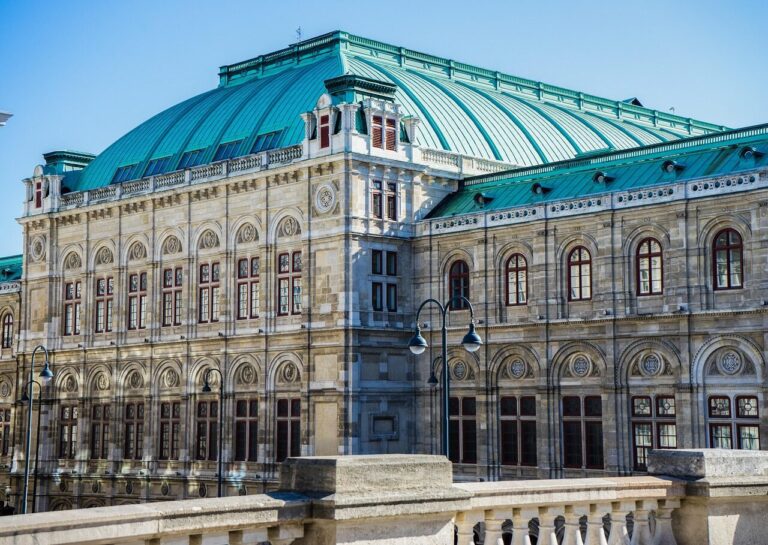
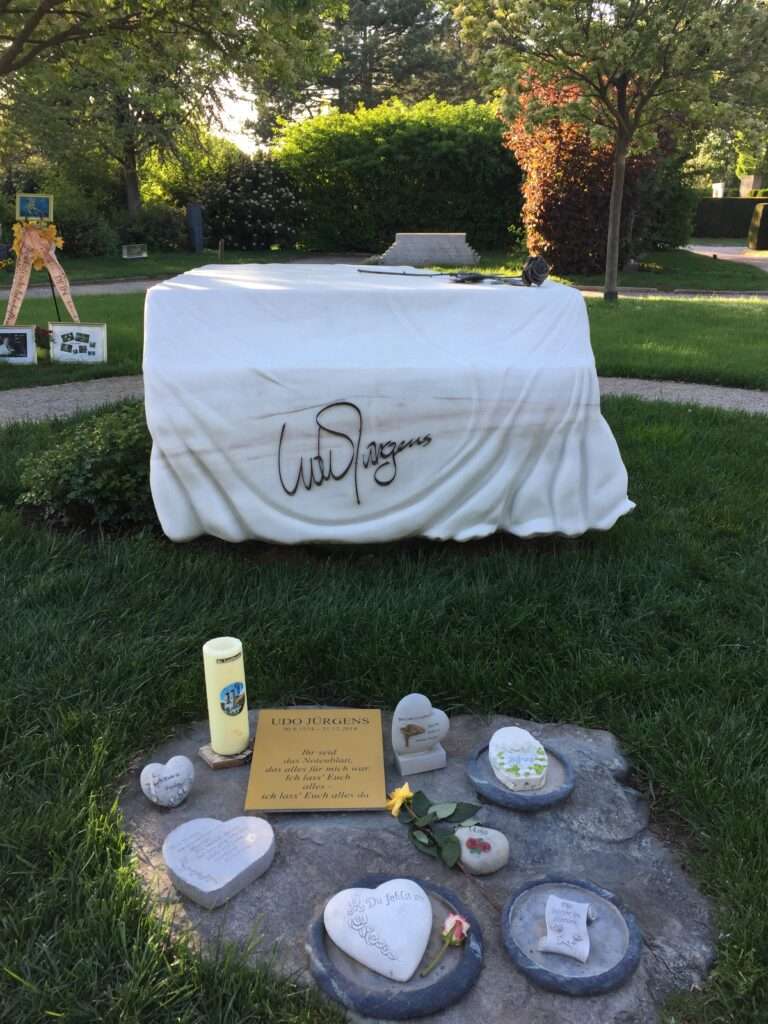
Haydn, Mozart, Beethoven: few cities are so closely woven into the history of music. On our music tour around the State Opera we share stories of composers, orchestras and anecdotes, and at the Central Cemetery we visit the graves of honour of Beethoven, Brahms, Schubert and Johann Strauss.