Dear Vienna lovers,
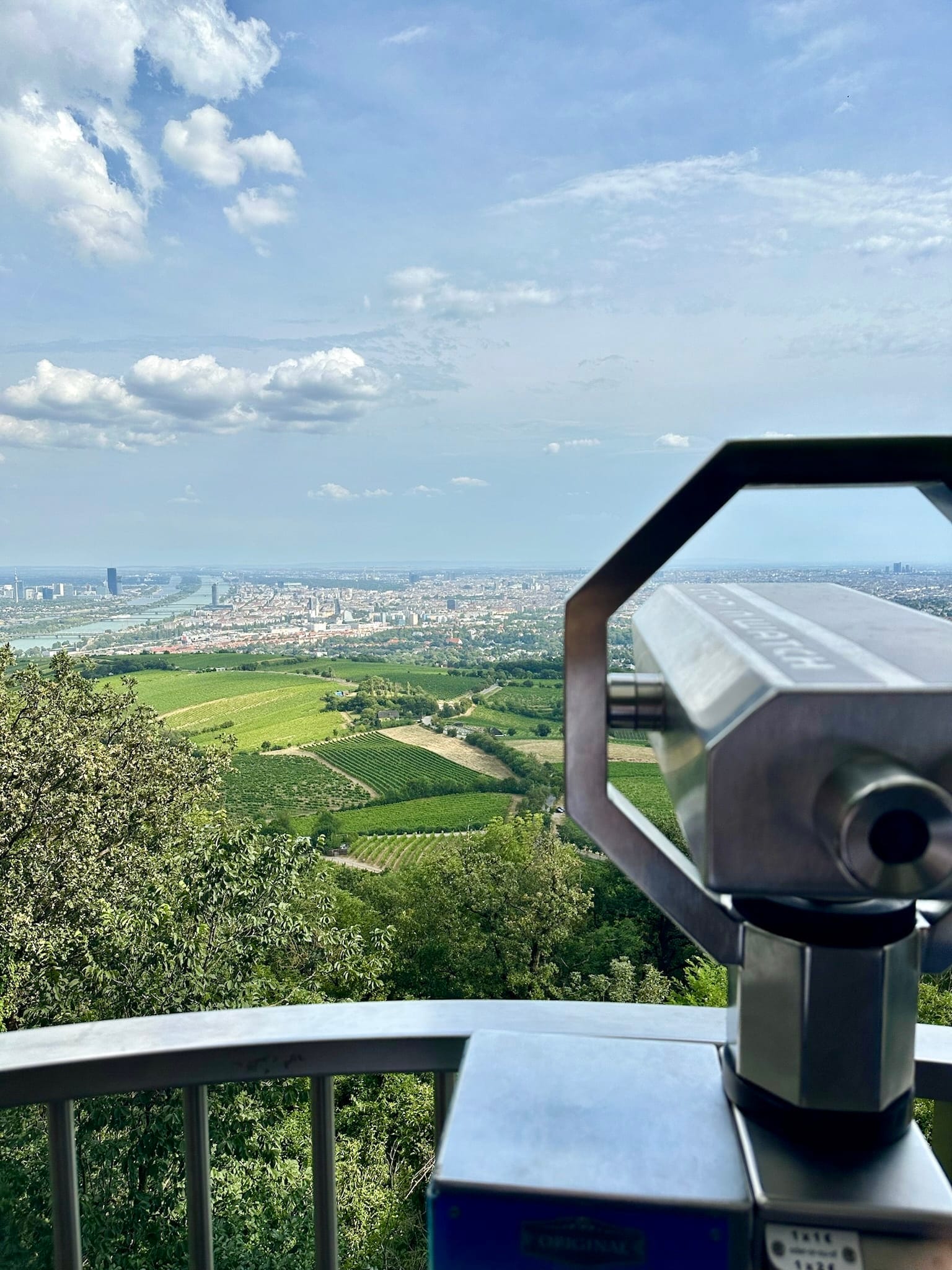
In November, Vienna grows quieter. The sun sets shortly after four, the chestnut sellers are back on the street corners, and warm light spills from coffee house windows onto the wet cobblestones. People walk a little faster and linger a little longer over their coffee.
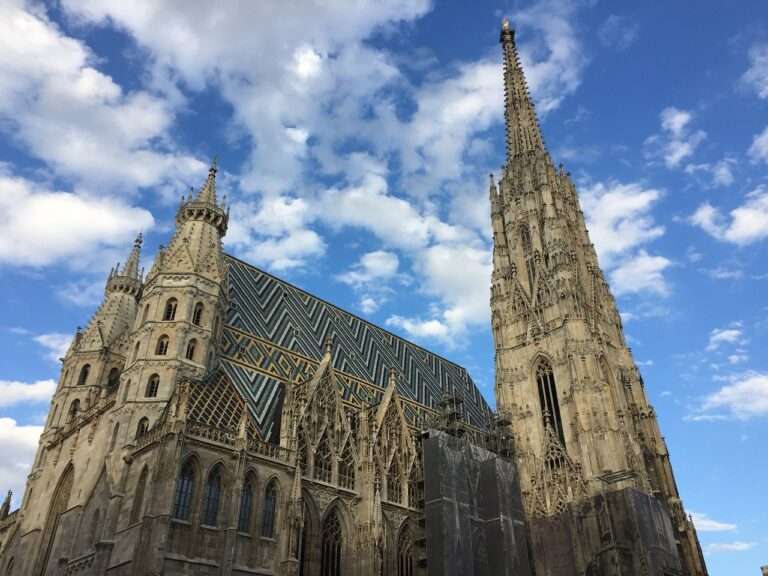
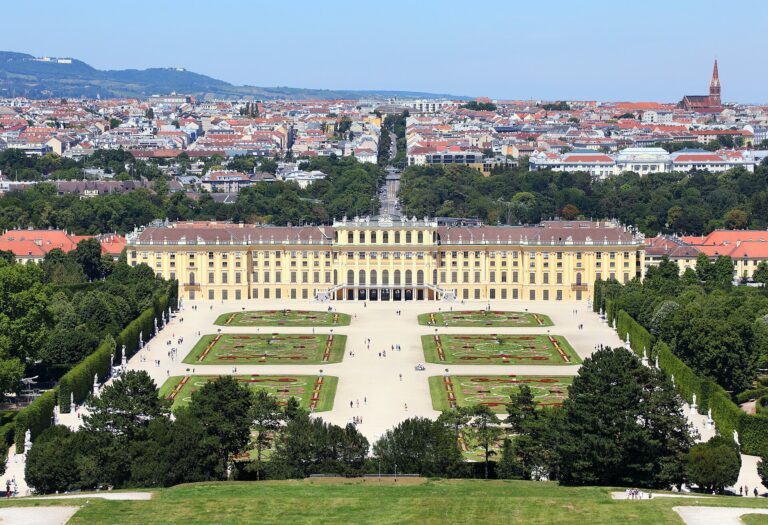
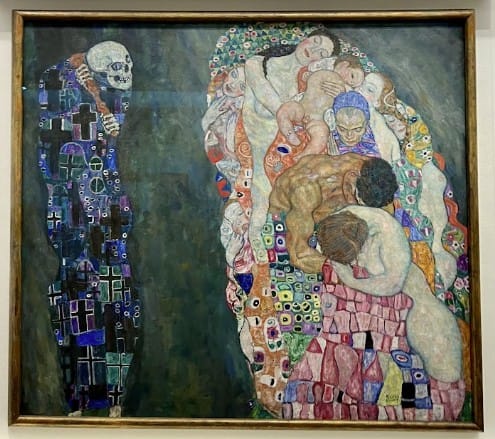
It’s a month of remembrance here: of the dead, and of two saints, one of whom is said to have hidden among a flock of geese. That sounds more sombre than it is. The Viennese mark it all with remarkable relish. And since 6 November, the first punch stalls are open outside Schönbrunn and on Stephansplatz.
Two saints, two Viennese traditions
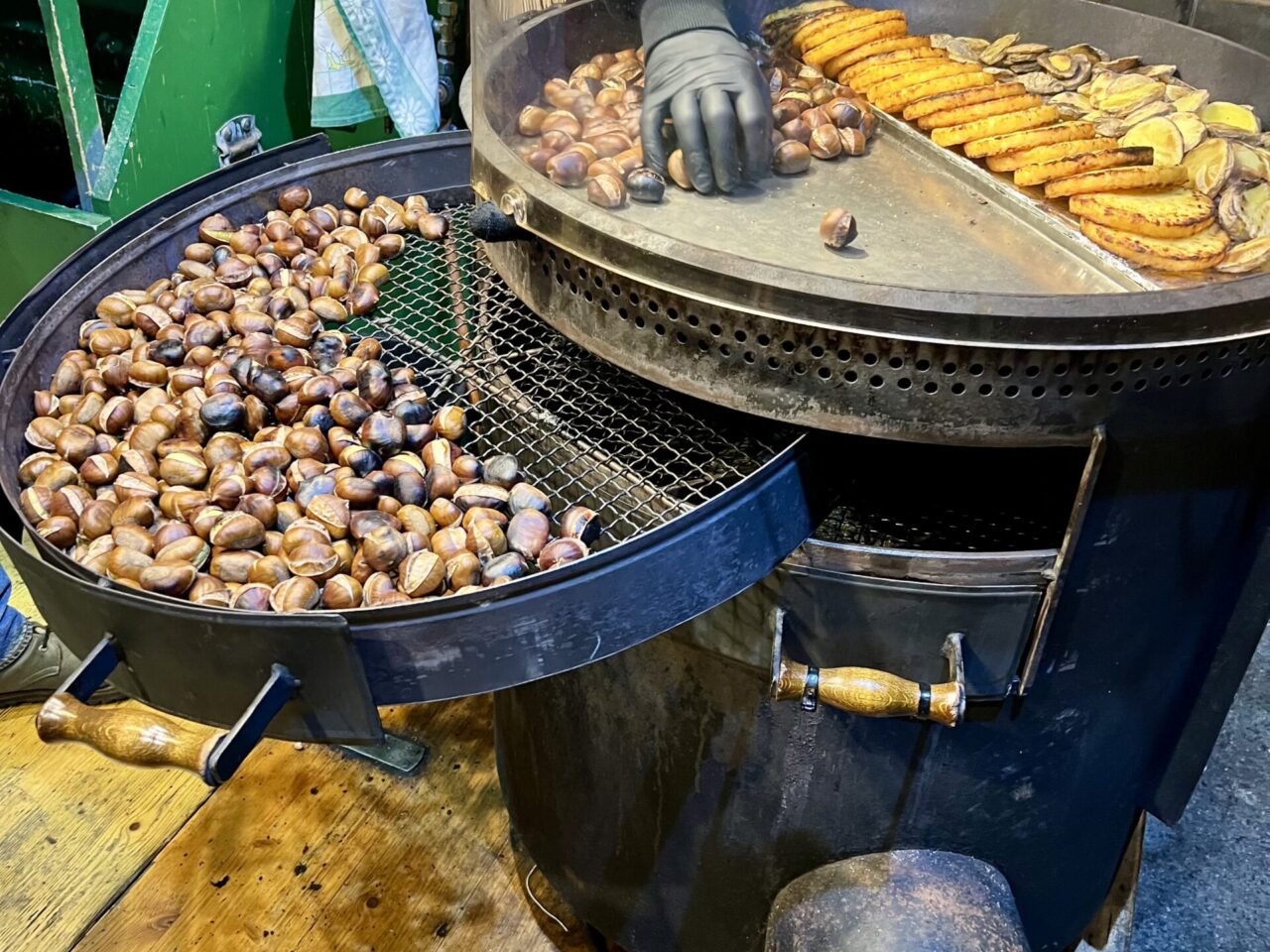
Wednesday 11 November is Martini, St Martin’s Day, when Viennese restaurants start serving Martinigansl: roast goose with crisp skin, red cabbage, dumplings and often a few chestnuts. The reason is a practical one. Martini used to mark the end of the farming year, when rents and dues were paid, often in geese, and people feasted one last time before the fast leading up to Christmas. It’s an important date for winemakers too: from now on, the new vintage is called “Heuriger” and last year’s becomes the “Alte”. Come and taste the young wine with us on our Viennese wine tour, at a wine shop and a Heuriger, one of Vienna’s traditional wine taverns.
Four days later, on Sunday 15 November, Vienna and Lower Austria celebrate their patron saint, St Leopold. At Klosterneuburg Abbey, where he is buried, the festivities include a decidedly unholy tradition: sliding down the Tausendeimerfass, a 56,000-litre wine barrel built in 1704. Children and adults alike take a turn, usually amid gales of laughter.
At 11:11, Vienna dances in the street
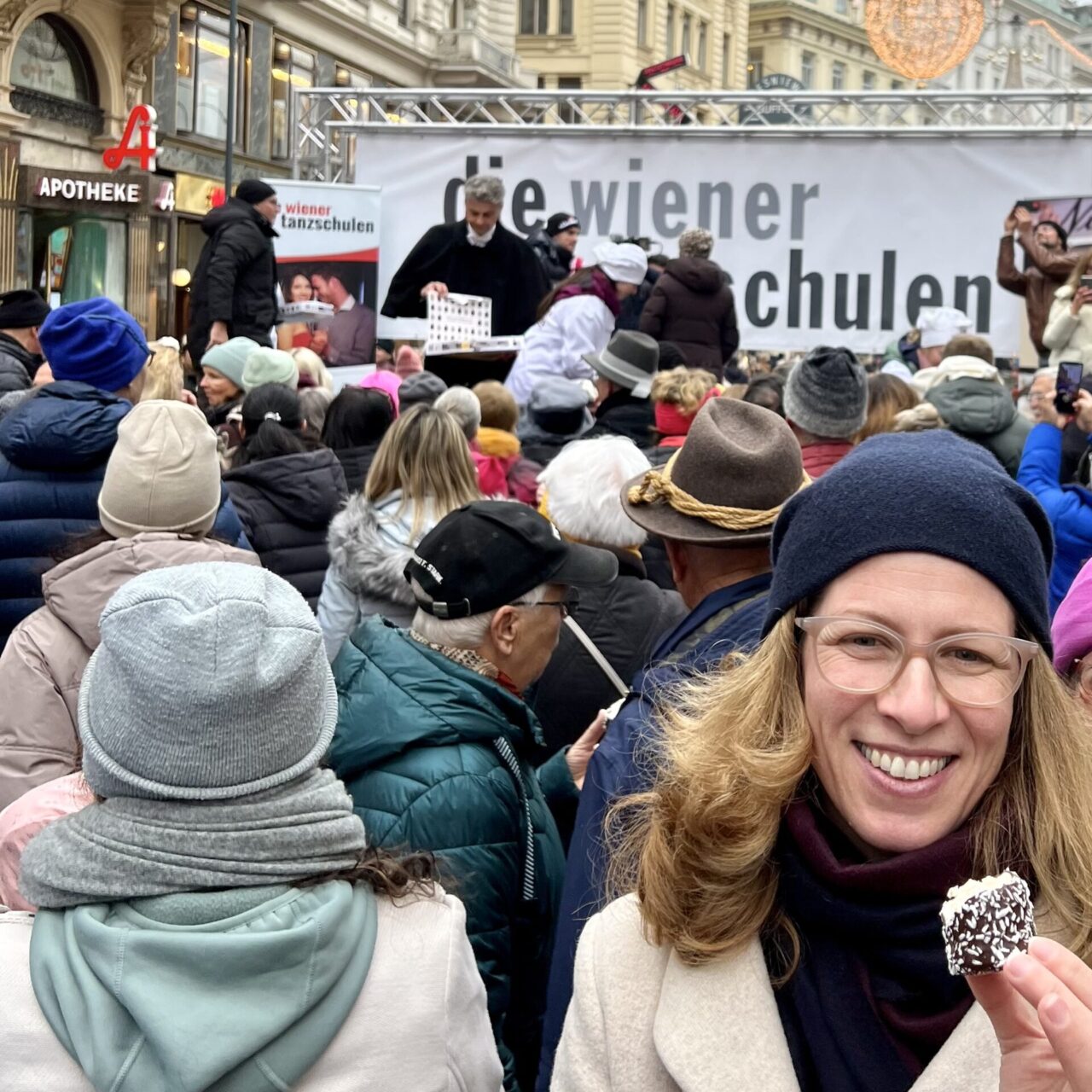
11 November isn’t only about goose. It’s also the start of carnival, and with it the ball season, which begins not in a ballroom but out in the street. At 11:11 sharp, Vienna’s dance schools invite everyone to join a huge public quadrille on the Graben, just off Stephansplatz.
Dance teachers call out the figures, and anyone can join in: professionals, keen amateurs and passers-by who were only on their way to the office. No registration, no ball gown required. We try to be there every year. The Viennese throw themselves into it, while tourists film and snap away happily, never quite sure what’s going on when people suddenly start dancing in the middle of a pedestrian street and sweets are handed round.
The big balls follow in January and February, from the Coffee House Owners’ Ball to the Opera Ball. If you’d like to go to a Viennese ball for the first time this season but don’t know where to start, our ball page covers everything you need to know, from what to wear and dance lessons to the night itself.
The Christmas markets are opening
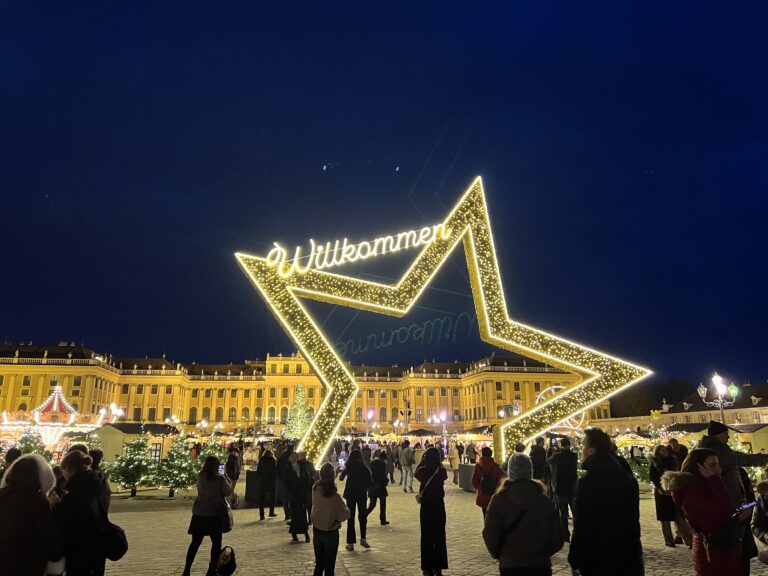
The first Christmas markets open on 6 November, outside Schönbrunn Palace and on Stephansplatz. A week later, on Friday 13 November, they’re joined by the Christkindlmarkt on Rathausplatz, the markets on Spittelberg and Am Hof, and Art Advent on Karlsplatz, followed on Saturday 14 November by the Altwiener Christkindlmarkt on the Freyung. From 20 November, the Christmas village on Maria-Theresien-Platz and the market outside the Belvedere complete the picture.
Each has its own character. On Spittelberg you wander the narrow lanes of the Biedermeier quarter. The Freyung has had a Christmas market since 1772 and is still the place for nativity scenes, glass ornaments and ceramics. And on Karlsplatz, everything is organic.
My tip: go on a weekday, in the early evening, just after dark. It’s still quiet enough to stop and chat with the craftspeople.
If you’d like a few stories with your punch, join our Advent tour. We wander from market to market through the lanes of the old town and tell you how Vienna celebrated Christmas long before there were punch stalls.
What’s new in the museums
Franz West. The Revolution of Sculpture. Albertina Modern, from 6 November. Franz West would have turned 80 in February. The retrospective starts with his “Adaptives” from the 1970s, sculptures you were meant to wear, pick up and try out with your own body. Meanwhile, the Wien Museum is showing “Franz West and Vienna”, including “Zitat” (1985), in which his childhood bed from the Karl-Marx-Hof lies hidden under tin foil.
Her Story. Women Artists of the Albertina. Albertina, until 14 February. To mark its 250th anniversary, the Albertina is taking its first close look at the women artists in its own collection: around 250 works by 132 women spanning five centuries, from Maria Sibylla Merian to Maria Lassnig. During the research, the team came across 199 women artists the museum hadn’t even known it held.
Save the date: Bernini. Painter and Sculptor. Theatre Museum, Palais Lobkowitz, from 2 December. At its heart is a “Portrait of an Old Man” from the Kunsthistorisches Museum’s own collection, long attributed to an unknown painter. New research suggests it is by Gian Lorenzo Bernini, the great sculptor of the Roman Baroque, only a handful of whose paintings survive.
And if you haven’t seen them yet, Picasso-Bacon at the Albertina and Erika Giovanna Klien at the Lower Belvedere are on until 31 January.
A cemetery with a birthday
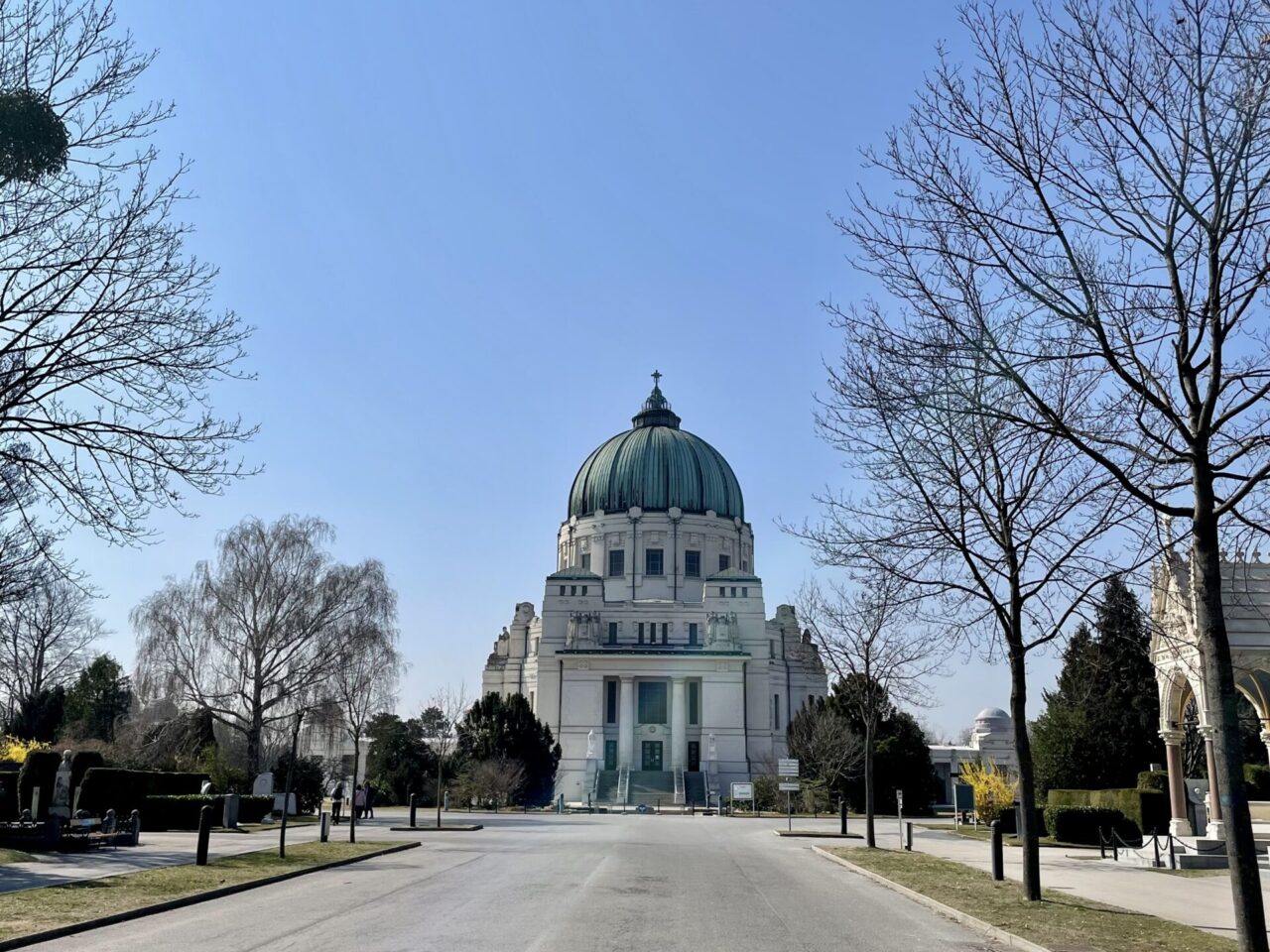
On All Saints’ Day, the Central Cemetery celebrated its birthday. It opened on 1 November 1874, far out in Simmering, in open fields, and at first it was anything but popular: hardly anyone wanted to be buried so far from the city. So from 1888 the city gave it a helping hand, moving famous figures here from other cemeteries, Beethoven and Schubert among them. It worked. Today more than three million people rest here, far more than Vienna’s living population.
Now, with fallen leaves on the paths, the cemetery is at its most atmospheric. On our Central Cemetery tour we visit the graves of honour and the Art Nouveau church, along with graves you would walk straight past on your own. And we explain why the Viennese have always hoped for “a schöne Leich”, a beautiful funeral.
The gift of time
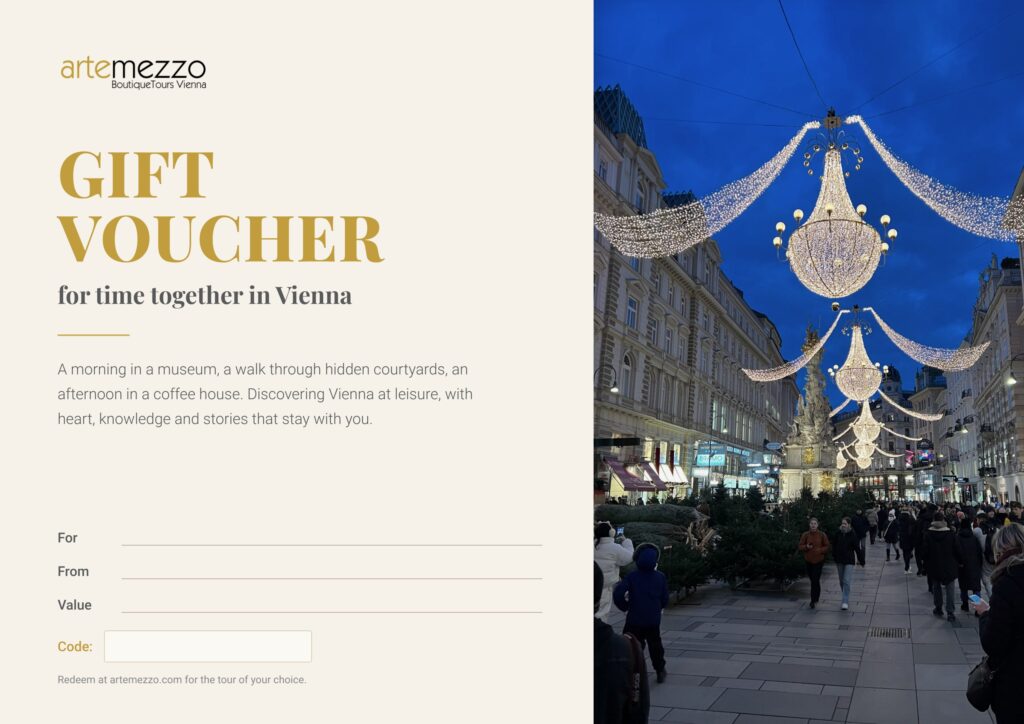
An artemezzo gift voucher is something to look forward to: a morning at a museum, a stroll through hidden courtyards or an afternoon in a coffee house, for two, with family or with friends. Order online and print it at home, even at the very last minute.
Vienna between two covers
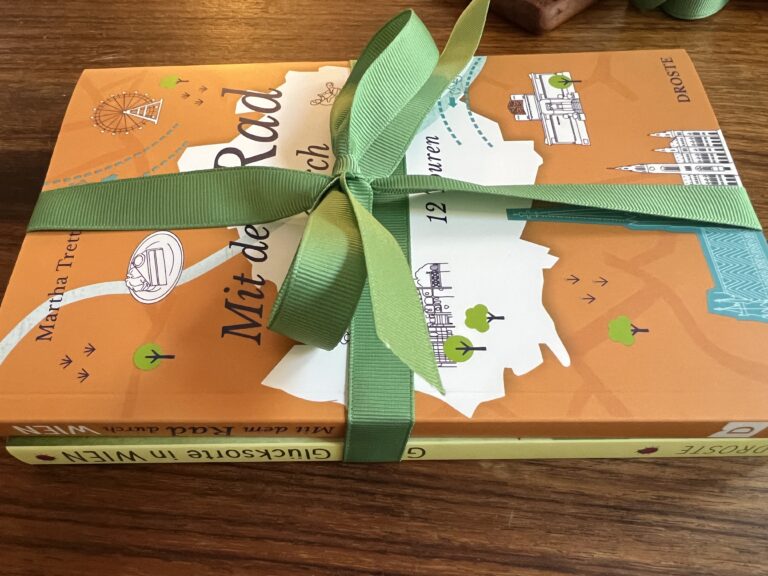
And if you’d rather give something to unwrap, my two Vienna books, published by Droste Verlag, are available from bookshops. Both are in German, which makes them a lovely present for German-speaking friends and family.
“Mit dem Rad durch Wien” (By Bike Through Vienna) came out in September. I spent a whole summer cycling the routes, checking every turn and stopping wherever it was worth it: at a Heuriger, a neighbourhood café, an ice-cream parlour. The result is twelve routes covering 218 kilometres, from Klimt and Art Nouveau through the lanes of the old town to the Alte Donau. Each is an easy half-day ride, with GPS tracks to download.
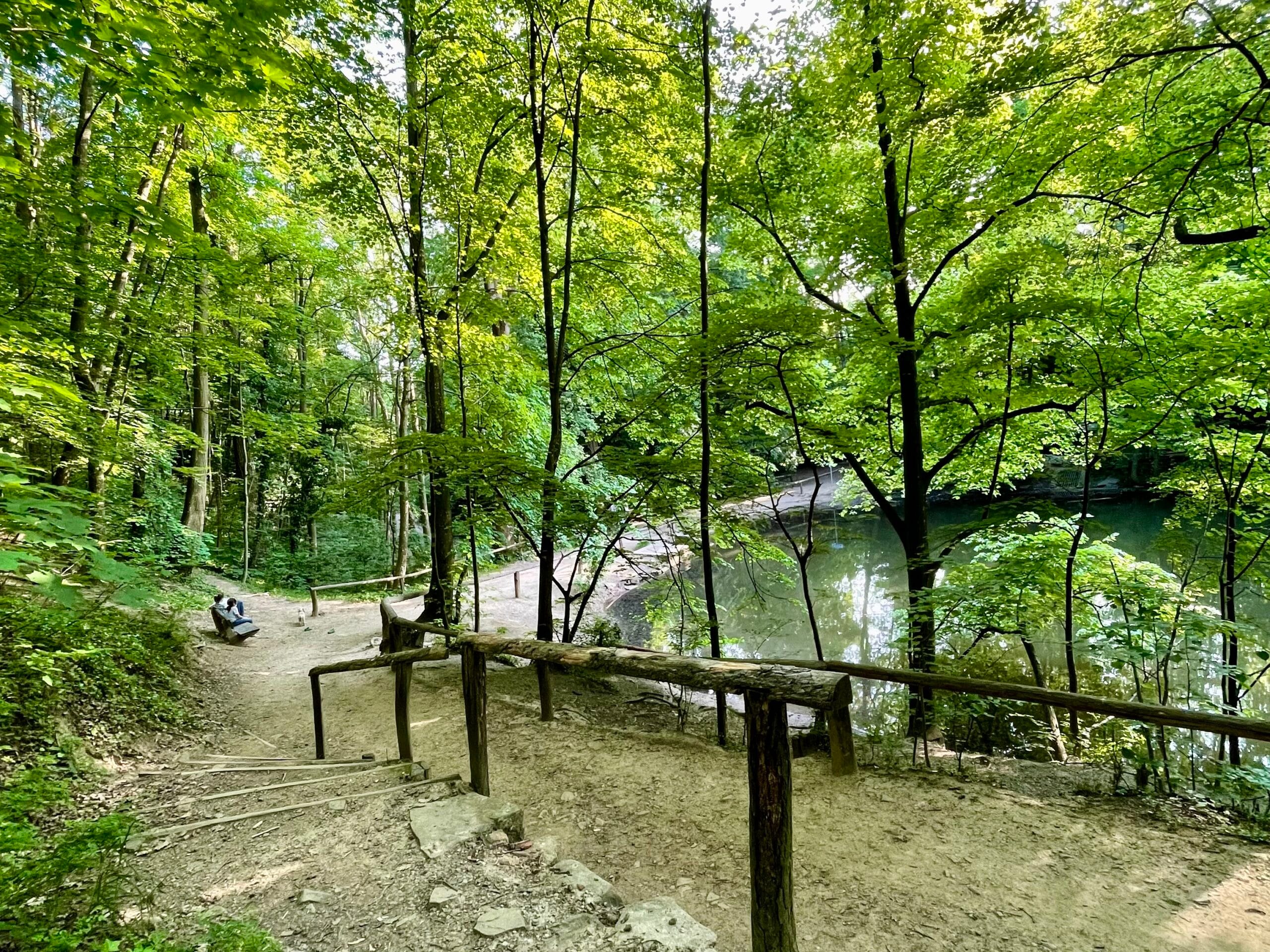
“Grüne Glücksorte in Wien” (Green Havens of Vienna) takes you to 80 places close to my heart: quiet courtyards, palace gardens, natural swimming spots, vineyards and the Vienna Woods, each with a short story and a tip.
A book and a voucher together make a lovely Vienna gift: one to read, one to experience together.
I look forward to seeing you in Vienna
If you’re expecting guests over Advent, would like to round off the year with your team, or are simply planning an afternoon in the city, just drop me a line. We’ll take our time and work out together what suits you best.
Wishing you a lovely November.
Warm regards,
Martha Tretter and the artemezzo team