Long before licensing laws and phone alarms, Vienna had a bell that told innkeepers when it was time to stop. Vienna’s city law of 1340 already mentions a “pyrgloken”, a beer bell, after whose ringing the taverns had to close. From 1459 nobody was allowed out in the streets without a light once it had rung.
The throat-cutter
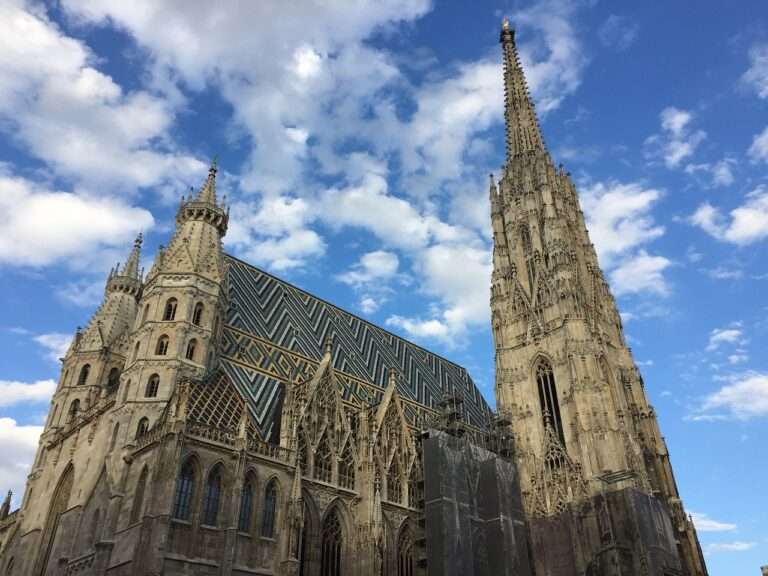
The bell that performs this duty today was cast by Michael Doppler in 1546 for the northern Heathen Tower of St. Stephen’s Cathedral. It was recast in 1772 and has weighed 530 kilograms ever since. The Viennese named it the “Bieringerin”, and because it denied many a drinker his last sip, also the “Gurgelabschneiderin”, the throat-cutter. Its ringing was known as the “wet tattoo”, after the military evening signal. When exactly it rang, by the way, changed with the seasons and with the political climate.
Bells with names
In the northern Heathen Tower the Bieringerin has distinguished neighbours: the Kantnerin, also known as the Stürmerin, the Fehringerin, the Churpötsch, the Feuerin, once the council bell, and the Chorglöckl, cast around 1280 and considered Vienna’s oldest bell. That they are all still there is close to a small miracle. When the cathedral burned on 12 April 1945, the old Pummerin crashed down and shattered, and the southern Heathen Tower burned out. The northern tower was spared, and with it the bells in their partly medieval wooden frame.
The Bieringerin has not fallen silent: at the Steffl-Kirtag, the cathedral fair every May, it still rings in closing time.
Around the Steffl
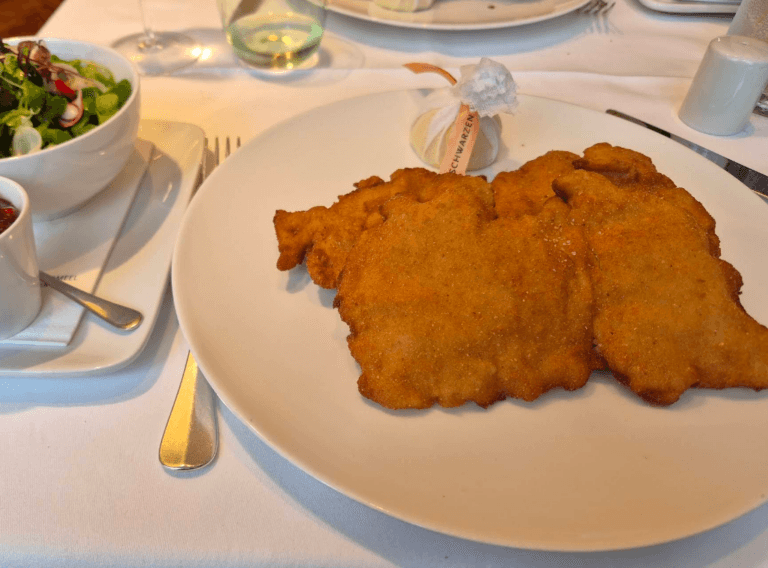
St. Stephen’s is full of stories like this, from its bells to the figures on its façade. We like to start here on our Vienna Highlights tour, and on our typical Viennese food tour we stop for a bite before the bell rings.