No Viennese artist is celebrated internationally quite like Gustav Klimt, and nowhere is he more present than in his home city. Following him here means following not just a few famous paintings, but an entire district full of traces.
The heart of it, in the Upper Belvedere
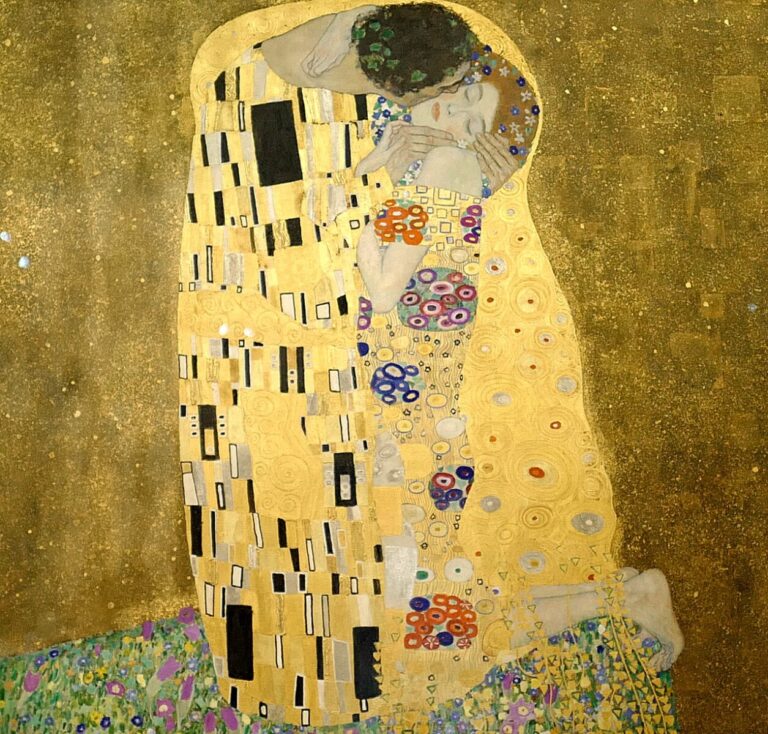
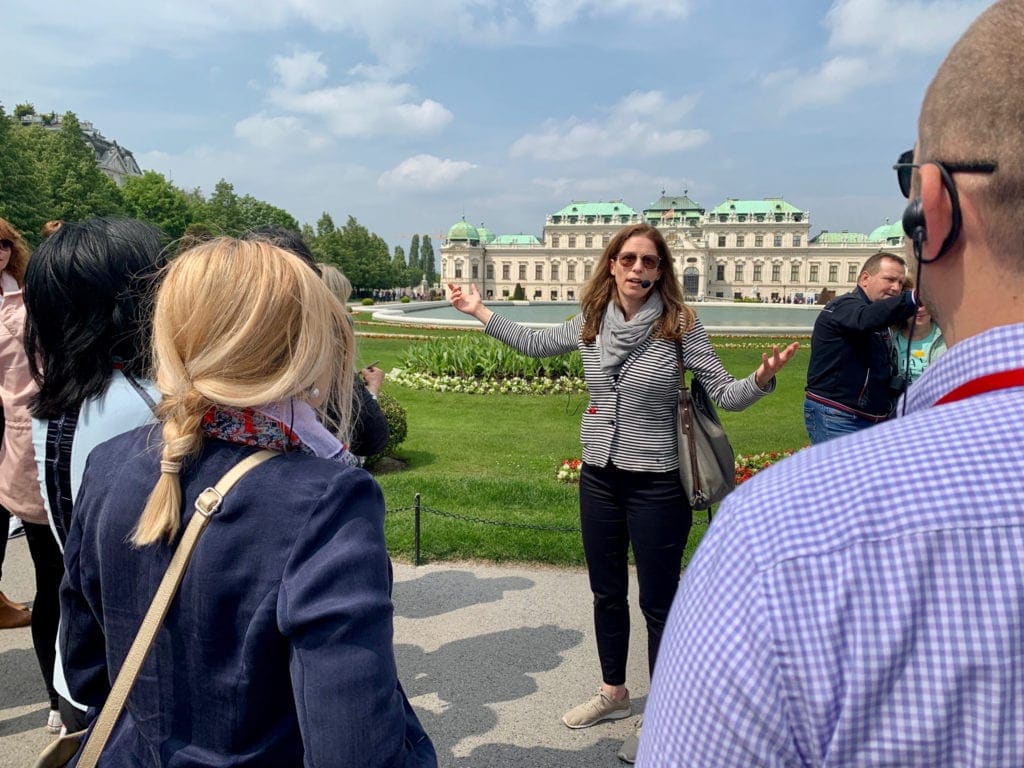
The Upper Belvedere holds the largest Klimt collection in the world, 24 paintings. Alongside the two icons, “The Kiss” and “Judith”, you find women’s portraits here, landscapes from the Attersee, where Klimt spent his summers, and works from every phase of his career, right up to pieces still unfinished on the easel when he died in 1918. Walking through these rooms, you do not just see a famous picture. You see an entire artist, across an entire life.
The Leopold Museum and the Secession
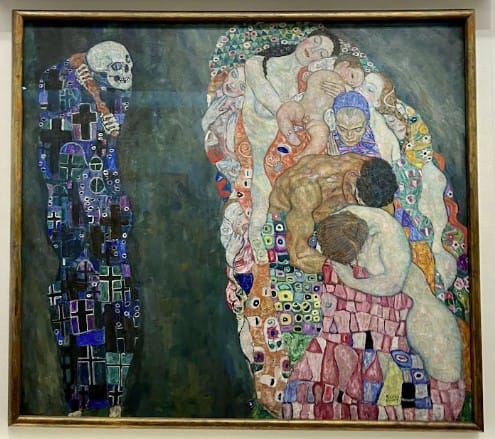
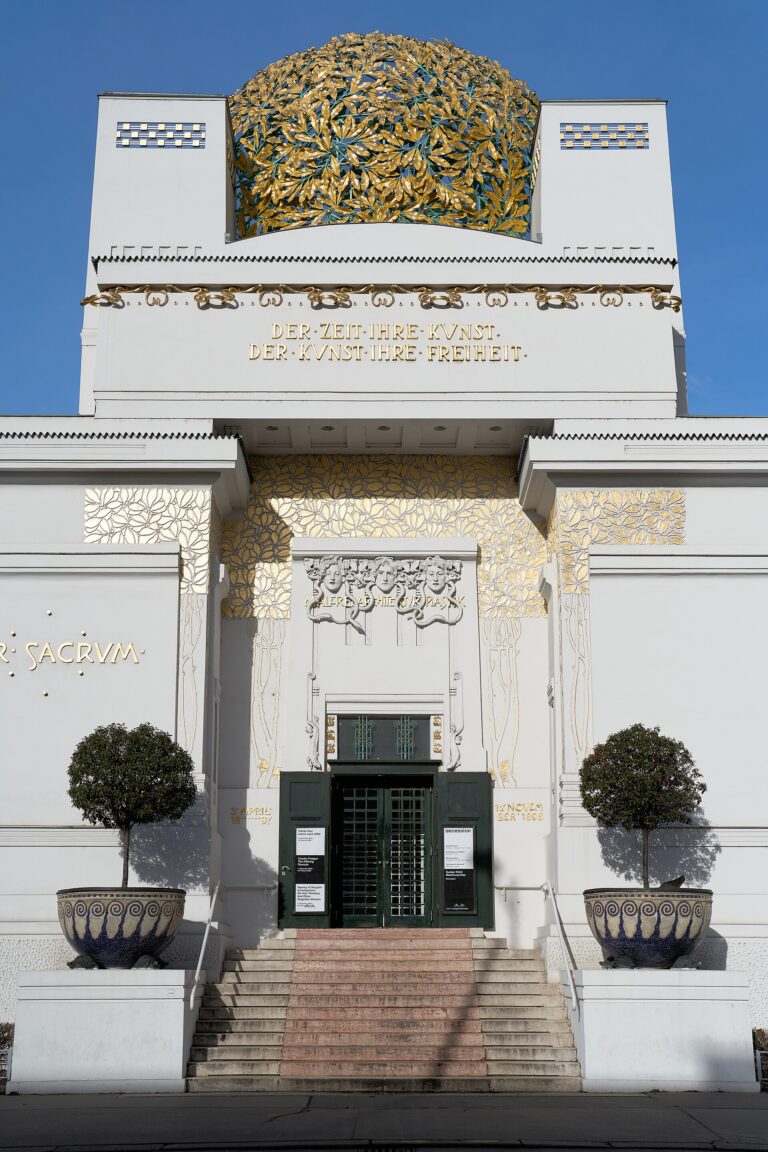
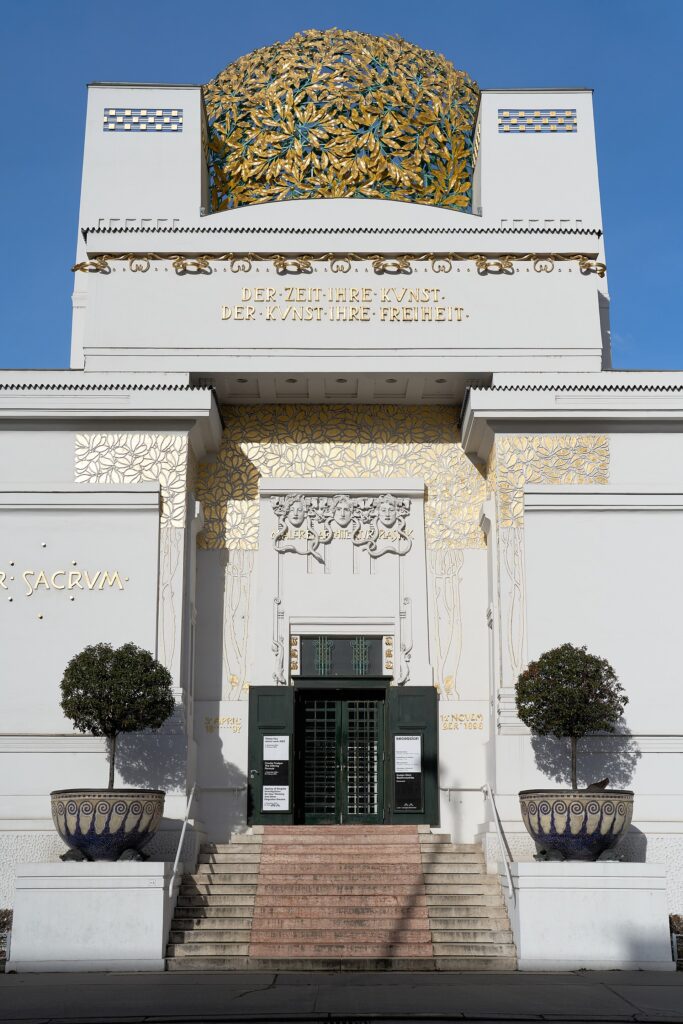
Two more houses complete the picture. At the Leopold Museum in the Museumsquartier, Klimt and Schiele hang side by side, two artists who knew each other and who shaped the same era in quite different ways. And then there is the Secession, built in 1898, where the Beethoven Frieze waits in the basement: 34 metres, at eye level, no frame, no glass in between. I find it is precisely this frieze that shows most clearly how close you can get to Klimt here, if you take the time for it.
The Klimt Villa in Hietzing
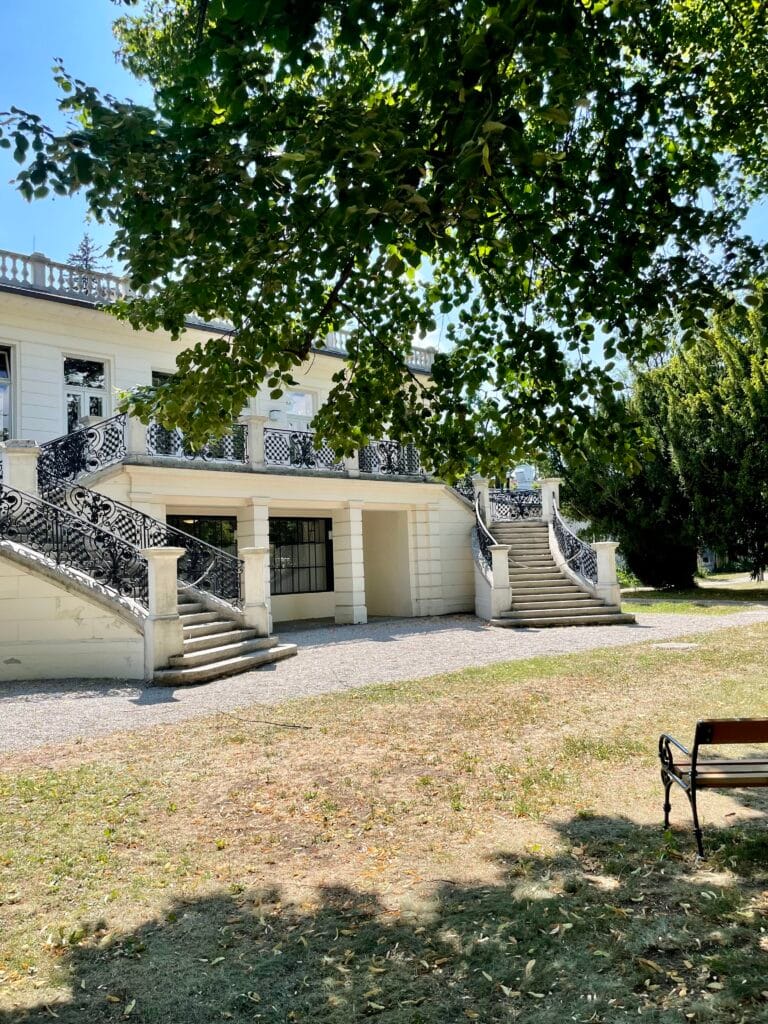
For anyone who wants to get closer still, the 13th district is the place to go. At Feldmühlgasse 11 stands the Klimt Villa, surrounded by a large garden and old chestnut trees. Klimt worked here from 1911 until his death in 1918. The studio is preserved true to the original, reconstructed from photographs by Moritz Nähr: the reception room, his painting smock, the Backhausen carpet, all still standing where they stood then. The villa is open Wednesday to Sunday, 10am to 6pm, with tours on Saturdays and Sundays at 11am and 2pm, and in fine weather the garden café under the chestnuts invites you to linger.
Three houses, one artist
The Belvedere, the Leopold Museum and the Secession, together with the Klimt Villa: three houses and one studio that, together, form the picture of an artist who shaped Vienna around 1900 like almost no one else. It is exactly these connections we bring out in our guided tours: we choose the decisive works, tell the story of Klimt’s life, his models and patrons, and show what a single painting can reveal about an entire era.
Martha